
Construction is a demanding process, and poor communication should never be the bottleneck that slows your project down. At 2 Way Radio Direct, we provide heavy-duty, reliable two-way radios designed specifically to withstand the rigors of the modern job site.
From the initial ground preparation to the final walkthrough, our communication solutions ensure that foremen, subcontractors, and individual tradespeople can connect instantly, securely, and clearly.



Overcome Job Site Challenges with Instant Communication
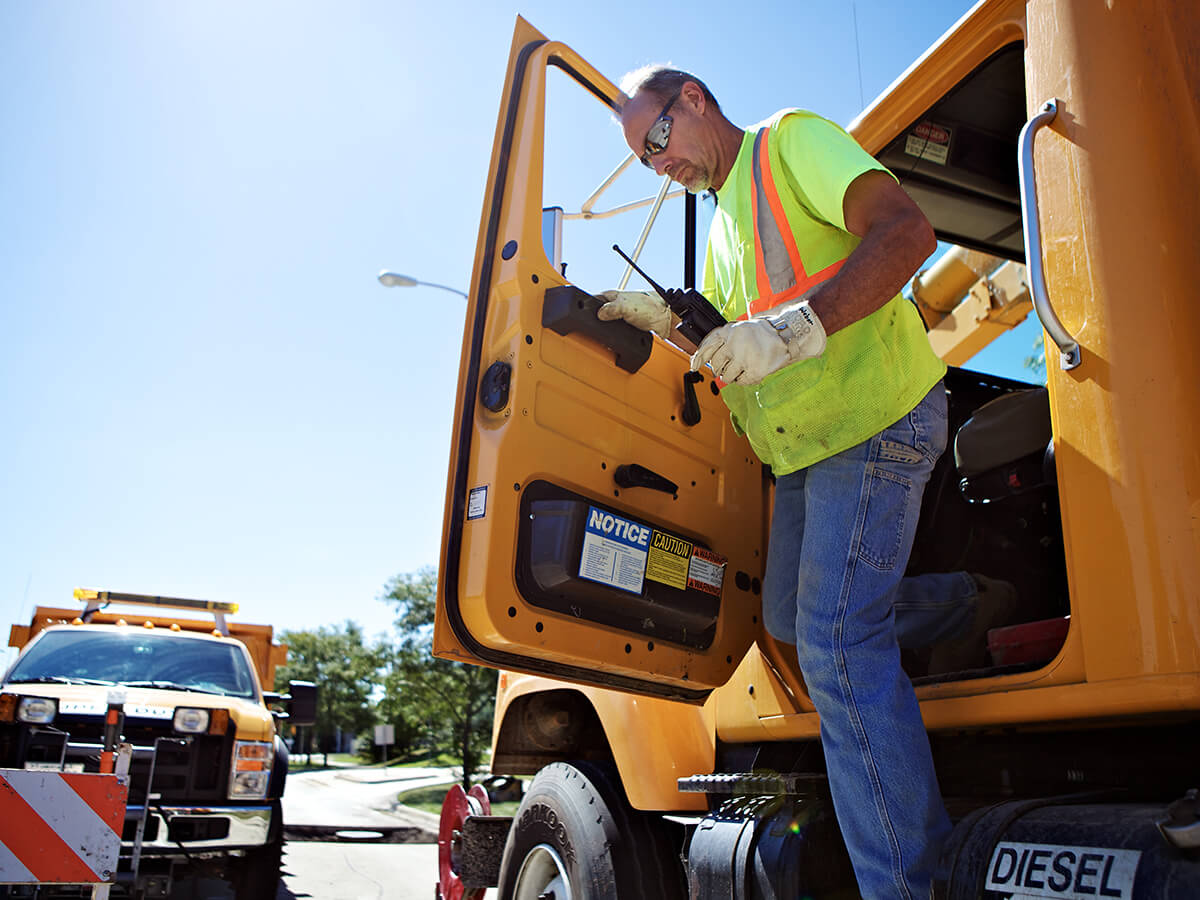
Improve Communication Among Construction Teams
When teams are scattered across different zones, instant push-to-talk communication allows you to supervise crews, coordinate electrical wire pulling, and manage material deliveries without anyone having to leave their work area.
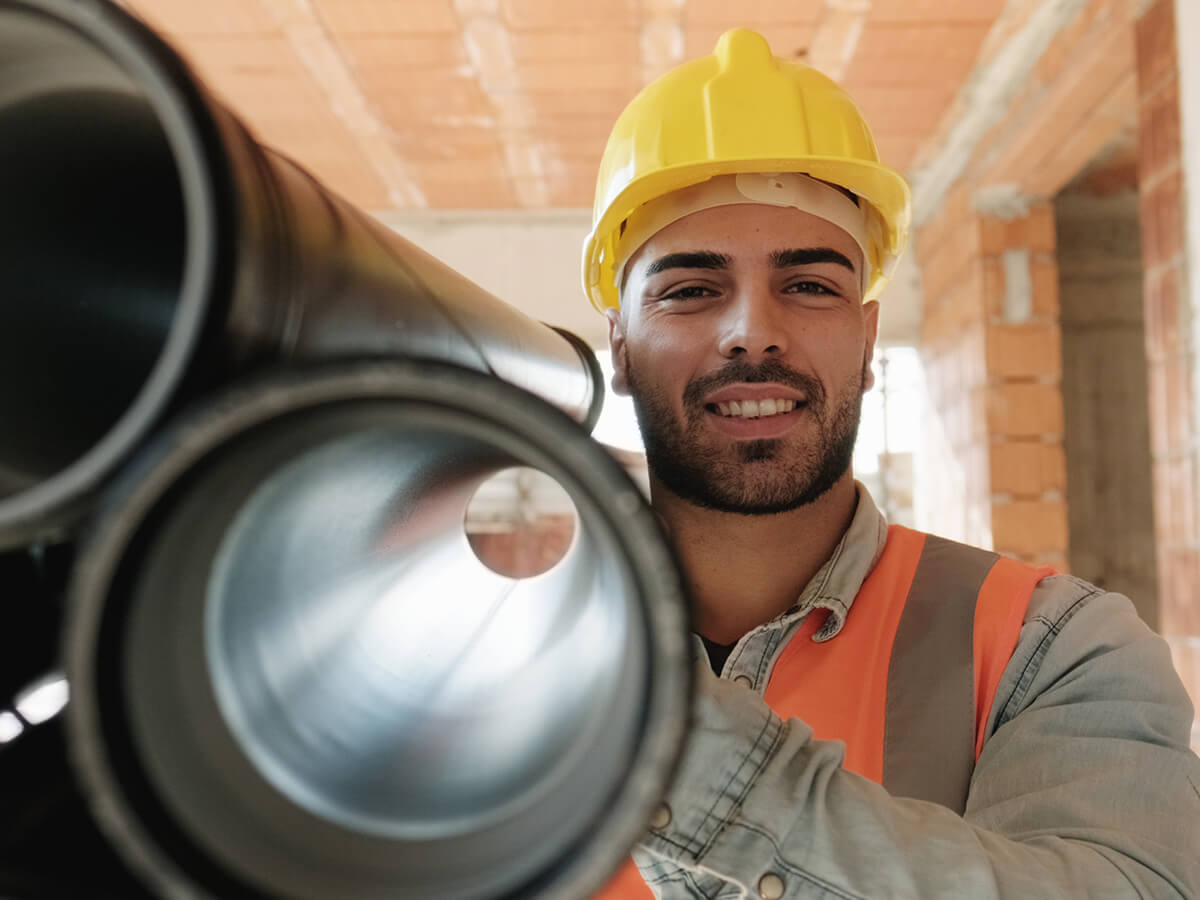
Increase the Safety of Workers
Construction sites are full of potential hazards. Two-way radios provide a critical layer of safety, allowing workers to instantly report dangers, electrical issues, or chemical exposures.
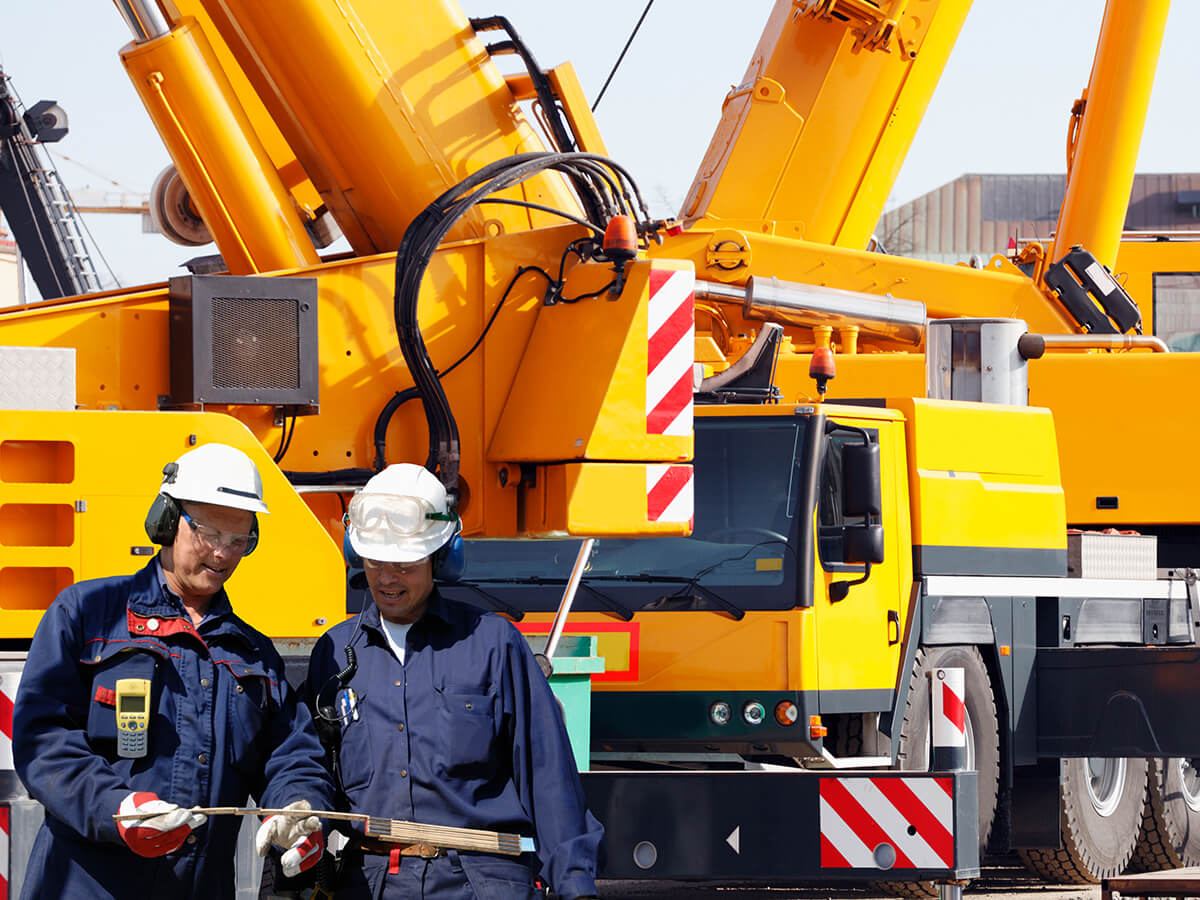
Respond Quickly to Situations and Avoid Downtime
Unforeseen circumstances happen. Radios allow foremen to rapidly deploy workers exactly where they are needed, minimizing the negative impact of surprises and avoiding costly project delays.
Recommended for Contractors
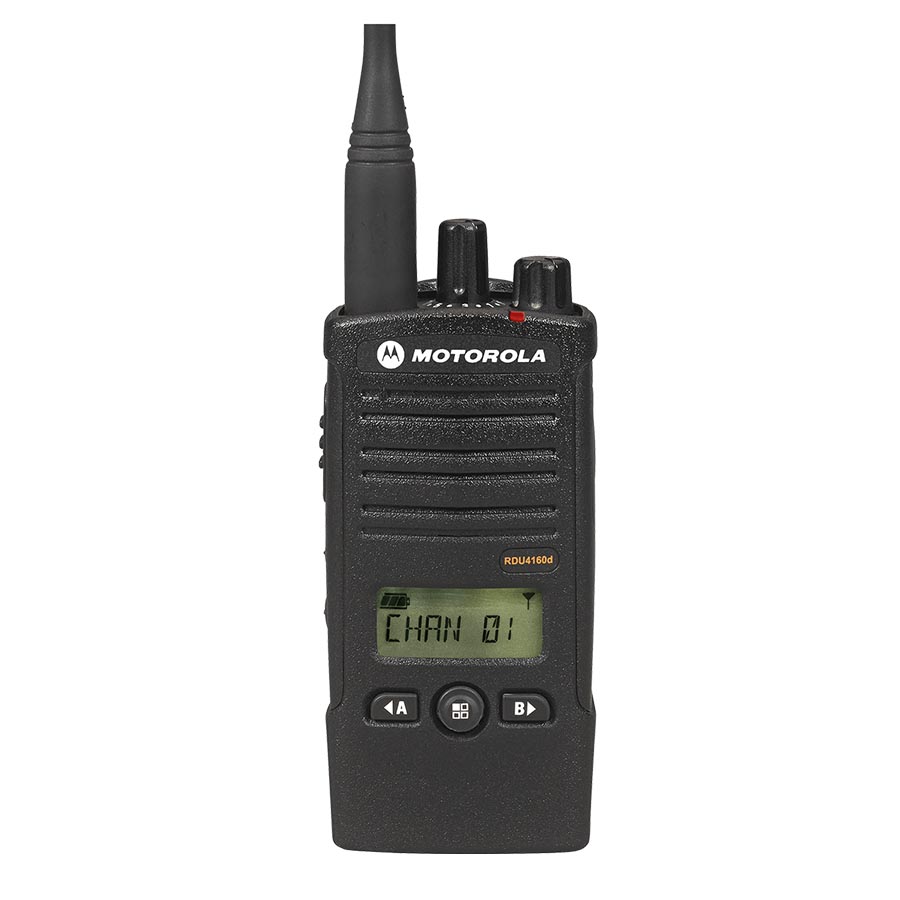
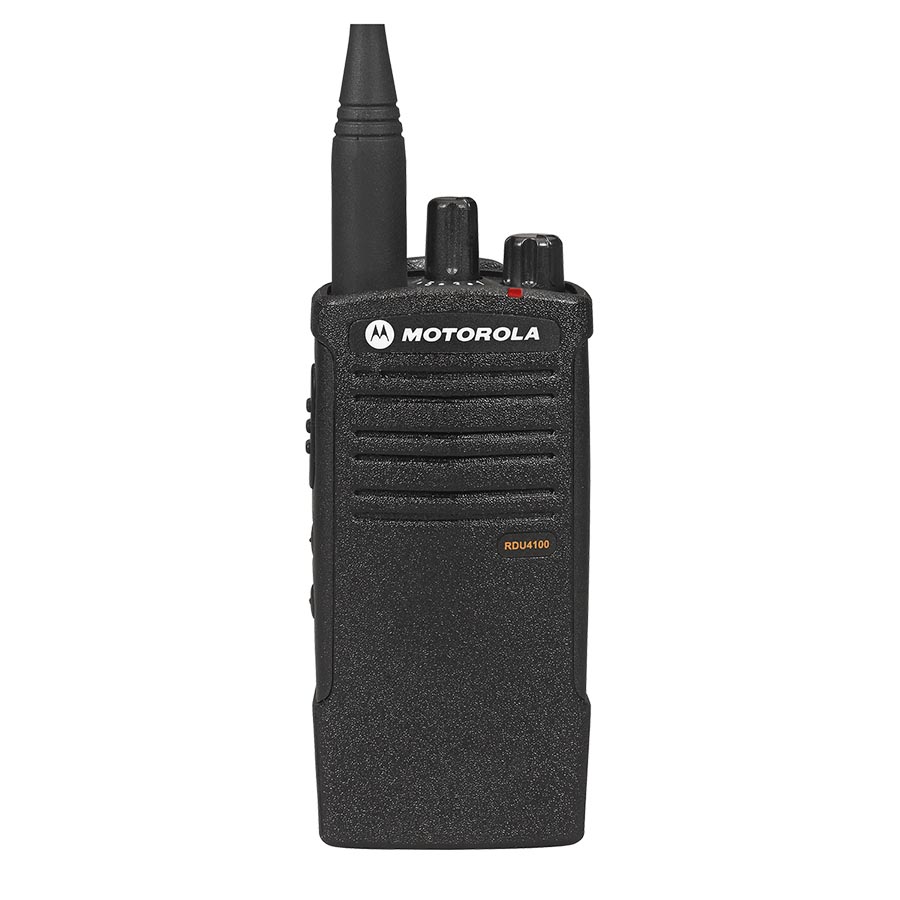
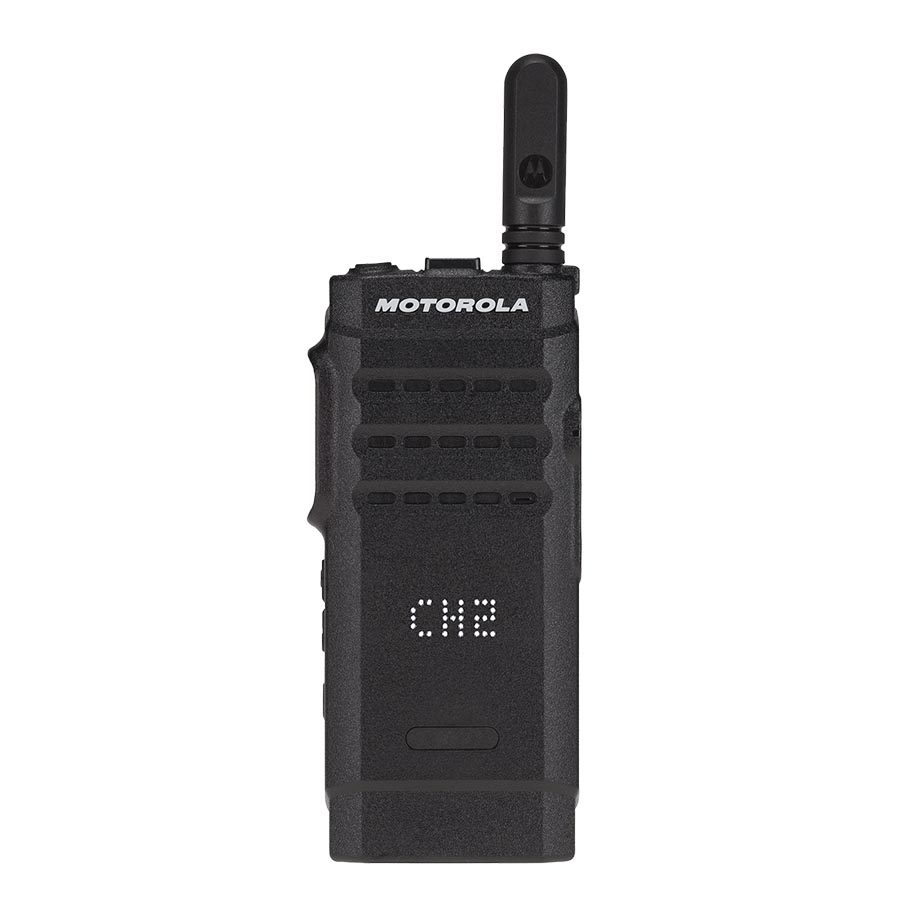
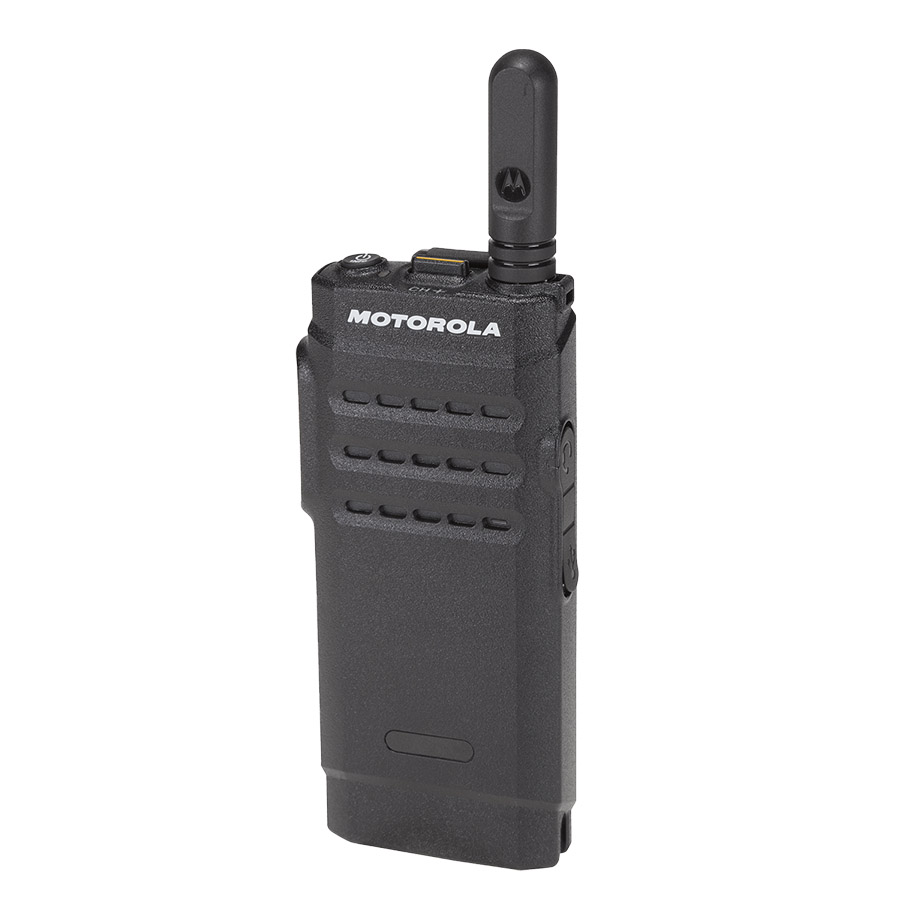
Construction sites require radios that are durable, water-resistant, and loud enough to be heard over heavy machinery. We highly recommend these Motorola models:
Why Contractors Should Use Two-Way Radios
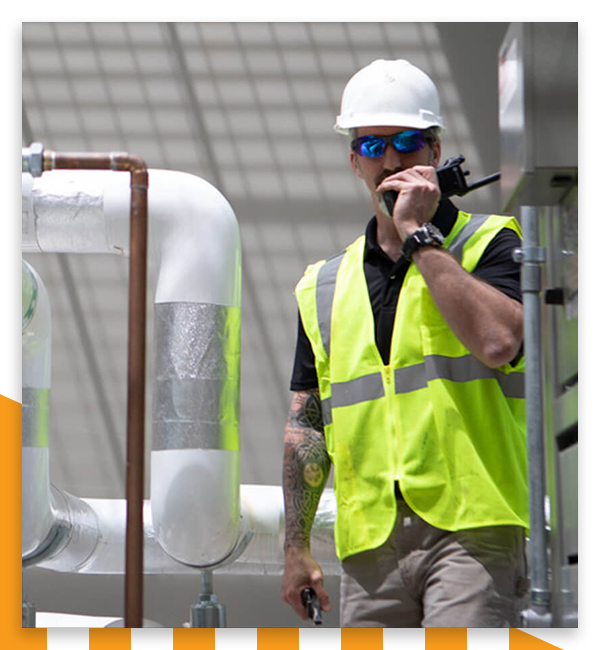
You don’t have to look far on a construction site to find two-way radios in use. Communication through two-way radios has become vital for all phases of a construction project and is used from the initial ground preparation to the final walkthrough. With two-way radios, communication is secure and direct; there are no misunderstandings about what was said over the radio. It’s an effective communication tool for field workers who must be able to communicate with one another quickly while working on site.
You don’t have to look far on a successful construction site to find two-way radios in use. Equipping your crew provides immediate, bottom-line benefits:
- Supervise construction teams, subcontractors, and equipment operators
- Coordinate electrical installations and wire pulling
- Manage your project’s deliveries of materials
- Increase the safety for workers and the security for your job site
- Deploy your workers where they are needed
- Respond quickly to any emergencies
Tailored for Contractors
2 Way Radio Direct offers a wide selection of two-way radios that can be customized for contractors and use on jobsites.We understand the importance of communication in the construction industry and have created radios that are durable, easy to use, and offer features that are beneficial for contractors. Commercial two-way radios with individual unit identification can be set to call forwarding to another radio ID within specific groups. A contractor or construction foreman can notify other team members as to when they are unavailable and can allow them to speak with another supervisor for assistance.Each individual construction two-way radio will display the ID of the digital radio making the call. The receiving radio will retrieve the transmitting unit’s name from its list of contacts and display the information to the screen of the receiving unit.
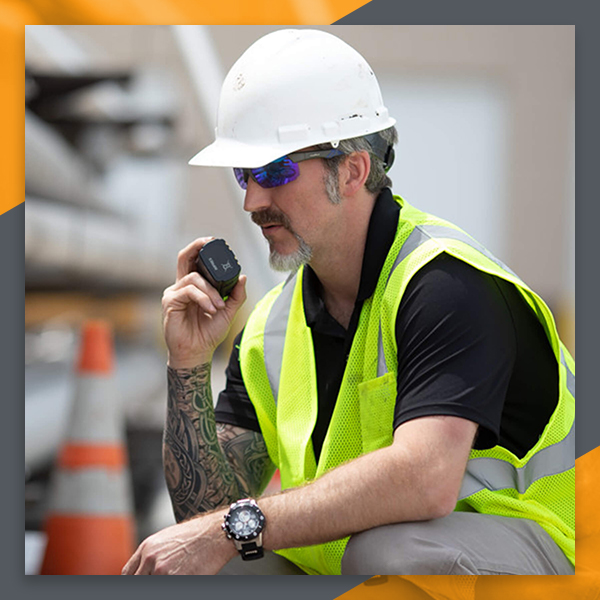
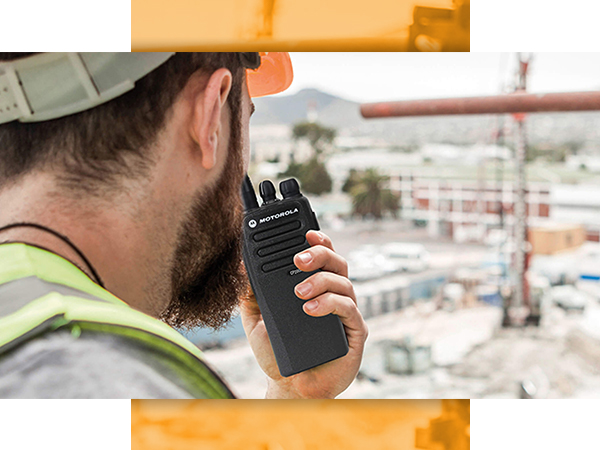
Keep Contractors & Projects Safe
Two-way communication radios from Two Way Radio Direct can help keep communication flowing freely. They provide a secure and direct line of communication for all construction team members working on a project, even if they are working in different areas. Whether you’re an electrician, foreman, or other member on the job site, two-way radios will allow your team to easily communicate with one another without any potential for misunderstanding. By increasing communication and safety on the job site, two-way radios can help contractors avoid costly delays and keep their projects running smoothly.
Frequently Asked Questions: Construction Radios
Should contractors use UHF or VHF two-way radios? For most construction sites, UHF (Ultra High Frequency) radios are the best choice. UHF waves are shorter and better at penetrating physical obstacles like concrete walls, steel frameworks, and multiple floors in a building. VHF is only recommended if you are working on completely open, flat land with zero obstructions (like highway paving or agriculture).
Are Motorola business radios tough enough for a construction site? Absolutely. The radios we recommend for contractors (like the RDU and MOTOTRBO series) meet strict military standards (Mil-Spec 810 C, D, E, F) and feature high IP ratings, meaning they are rigorously tested to withstand heavy dust, driving rain, extreme temperatures, and hard drops onto concrete.
Can two-way radios help with OSHA compliance? Yes. Providing instant, reliable emergency communication across your job site is a key component of a robust safety plan and can assist in meeting OSHA standards for hazard recognition and emergency response.